
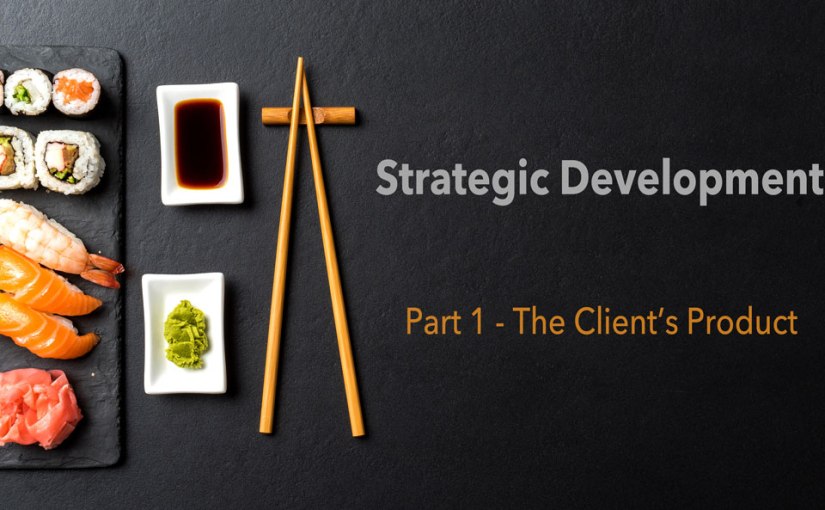
The first assignment for the Design Strategies and Motivation course is a Strategic Development project for a fictional client: a Boxpark sushi shop in East Side Milwaukee. To understand a brand, we must first learn everything about the product, its competitors, and its users.
Step 1. Firsthand Use
I’ve enjoyed sushi since my late teens, but it was an acquired taste. I first tried it out of curiosity and my love for Japanese culture. Like many people, I was dubious of eating raw fish but found the combinations of flavors to be irresistible. In college and beyond, sushi was a rare treat only enjoyed once every two or three years with select friends. More recently, I’ve tried pre-prepared “supermarket sushi” but found it far lacking in flavor compared to freshly prepared sushi from a Japanese restaurant.
Restaurant Sushi
Chico, California has ten restaurants that serve sushi. They range from the award-winning Japanese Blossoms to fast food Sushi Burrito King. On a recent visit to Sushi Burrito King, I observed no customers eating inside the restaurant. Instead, most customers opted to use the drive-through or take-out their order, suggesting that it was popular for people looking for a quick meal on the go.
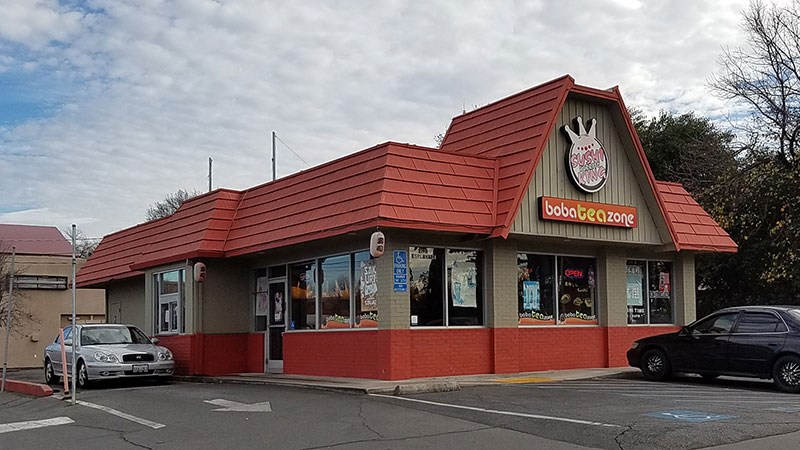
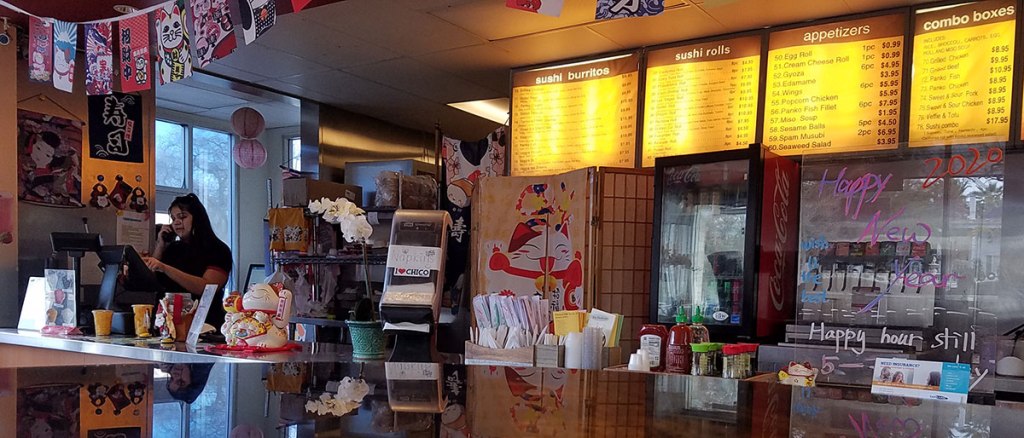
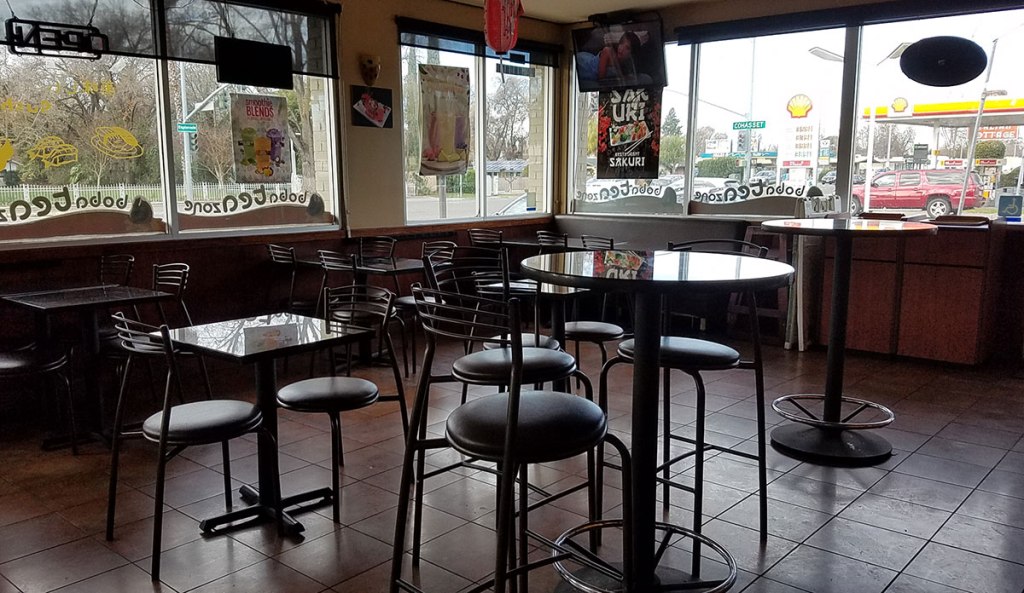
In contrast, sit-down restaurants like Japanese Blossoms encourage the dine-in experience with high end décor and a wider variety of menu items. These kinds of establishments make eating sushi feel like a more authentic experience compared to just grabbing a fast meal.
Supermarket Sushi
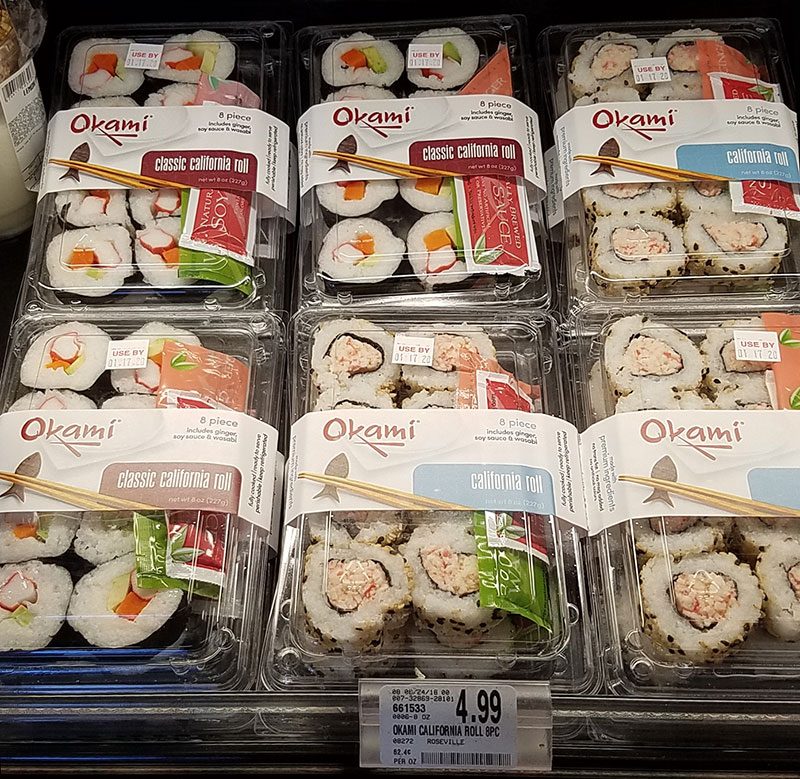
As sushi gains acceptance in the U.S. and other Western nations, it has become available in many supermarkets and even gas station convenience marts. The quality varies greatly depending on who produced the product, as well as the ingredients. Save Mart, a local bargain supermarket, carries Okami brand prepackaged sushi. I have tried this brand twice in the past and was disappointed by the flavor and texture.
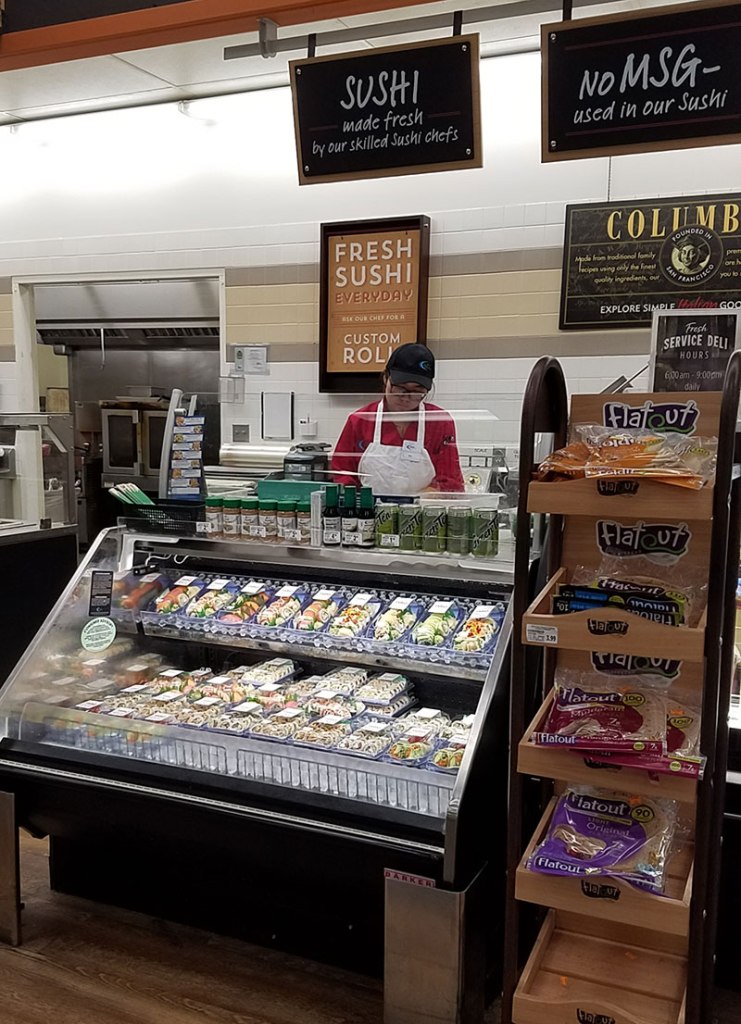
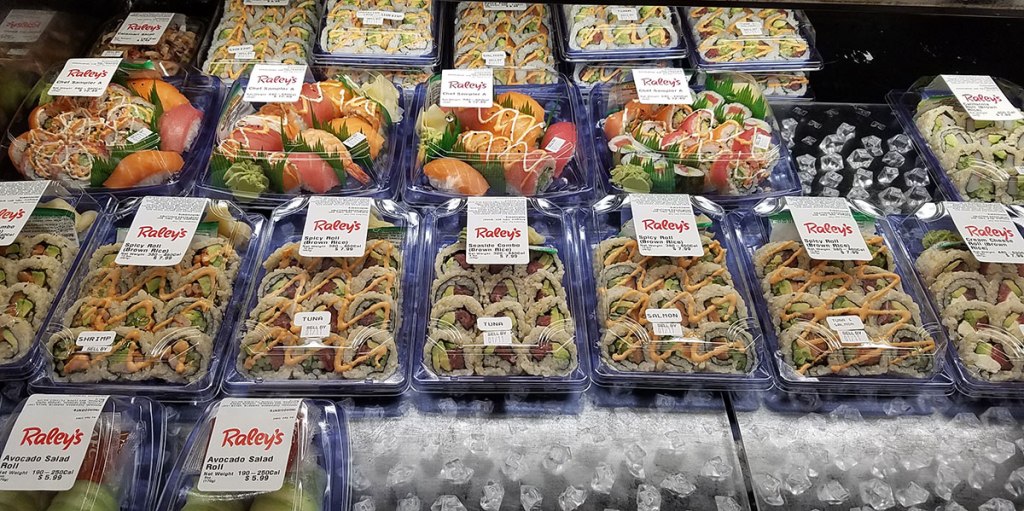
Across the street, the high-end Raley’s supermarket carries a wider selection of sushi freshly made by the in-store sushi chef. I watched as she prepared the day’s product, and she even offered to make anything that wasn’t already available. I didn’t buy anything that day, but I’ve tried Raley’s sushi before and can attest that it looks and tastes the same as sushi I’ve eaten at Japanese restaurants. The prices are about the same as restaurant sushi as well.
Boxpark Sushi
Boxpark was inspired by the street-food scene, combining the diversity of Asian street markets with Western mall culture. Although I haven’t personally visited any of the three Boxpark locations, I spent many months in Thailand and other parts of Southeast Asia. The markets and food carts there always had amazing food at great prices, often cooked right in front of you. Combined with live entertainment, eating at the street markets was always a sensory experience. I believe that Boxpark Sushi can be a similar experience. Freshly prepared sushi at a good price, better than most supermarket sushi but a different experience than a sit-down restaurant.
Step 2. Secondary Research
Misconceptions About Sushi
One of the biggest misconceptions that Americans have about sushi is that it’s just “raw fish”. Many confuse sashimi, slices of raw fish, for sushi which is actually vinegared rice topped with other ingredients which may or may not include fish. The use of raw fish in sushi only became possible after the invention of refrigeration. Before then, the fish was preserved by salt and fermentation (Lee, 2019). Many Americans are only familiar with sushi “rolls”, or Maki sushi which is rolled tightly and sliced to form short cylinders. However, there are other types of sushi including Nigiri, shaped rice topped by raw fish, and Uramaki, which is a western style “inside out” Maki roll.
Sushi in America
House (2018) notes that in the 1950s, sushi made the transition from being served at “indigenous” Japanese restaurants serving primarily an intra-ethnic clientele to an “ethnic” cuisine being marketed to non-Japanese. Sushi bars became a staple of Japanese restaurants and played a significant role in increasing the accessibility and popularity of sushi in America throughout the 1960s and beyond.
Sushi Innovations
New creations like the California roll helped sushi gain acceptance, as ingredients like crab and avocado were considered more palatable to white Americans than raw fish (Bhabha, 2013). Other regional innovations include the Philadelphia roll with smoked salmon, cucumber, and cream cheese. More recently, the sushi burrito has gained popularity at fast-casual restaurants. Creator Peter Chen asked, “What would happen if you made a really large sushi roll, operationalized it for speed, and also modernized it by infusing Latin flavors?” (Gabriele, 2019). The resulting hybrid dish combined the flavors and textures of sushi with the convenience and portability of a burrito.
East Side Milwaukee Demographics
Demographic data gathered from the 2017 American Community Survey revealed interesting information about consumers in East Side Milwaukee. Employment statistics show that there are 92.27% white collar employees compared to 7.73% blue collar employees. Education numbers show that 67% are college educated. Despite the Median Household Income being lower than the Wisconsin state average, East Side Milwaukee consumers between the ages of 25-64 have a higher than average income as illustrated in the chart below.
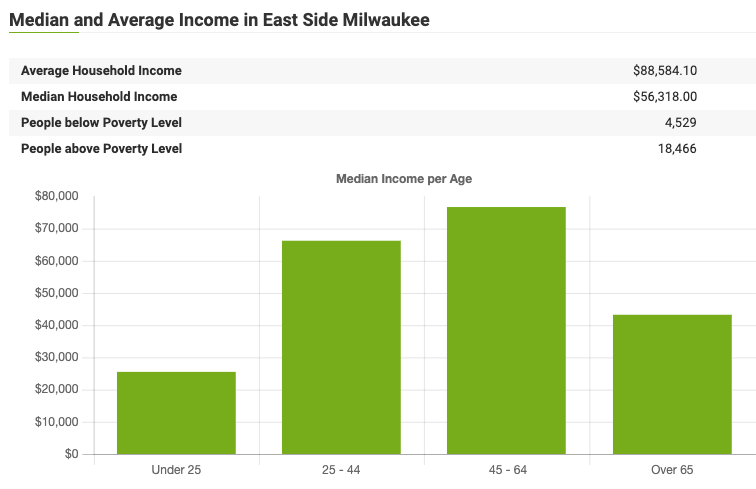
These statistics and other numbers from East Side Milwaukee Demographics (n.d.) suggest that residents of East Side Milwaukee may be more upscale and educated that other urban neighborhoods and therefore more open to cuisine from non-American cultures.
Step 3. Consumer Thoughts
I conducted primary research by interviewing personal acquaintances and by collecting social media responses to the question “Do you like sushi? Why or why not?”
The responses varied greatly, from people who eat sushi often to those who have never tried it and probably never will. Those who enjoy sushi appreciate the “freshness” and “combination of different flavors and textures.” Others eat sushi occasionally because it is “something different” or “reminds me of the ocean.” One person also expressed their love of wasabi, commenting that sushi is one of the few things that goes well with the spicy sauce. Maki rolls, especially Americanized ones like California rolls, are more recognized and popular than other types of sushi. Most of the people I spoke with did not have a favorite sushi, preferring to try something new every time or looking at the menu and trying “whatever looks good.”
People who did not like sushi had either tried it and did not like the taste or had never tried it mostly due to an aversion to raw fish. Negative comments describe the taste as “nasty” and texture as “slimy”. One person said, “seaweed should stay in the ocean” and described sushi rice as “sour”. However, most people who didn’t like sushi focused on uncooked seafood ingredients, confirming my findings on American misconceptions about sushi. Several people expressed concern over contracting “parasites” or “worms” from raw fish and assumed it was part of all of sushi cuisine.
These findings suggest that education about sushi’s various ingredients and food safety could help overcome the common misconceptions that make many Americans hesitant to try sushi. A few people also said that sushi is “too expensive for not enough food,” or “it doesn’t fill you up.” This “filling” aspect of food is something to consider when catering to students and other young Americans.
Step 4. Category
Shipping Container Parks
Boxpark is a food, retail, and entertainment park made of repurposed shipping containers. Roger Wade conceived Boxpark as a “pop up mall,” launching the first park in Shoreditch, England in 2011 (Fry, 2017). The video below provides a first-person tour of the Shoreditch Boxpark.
Similar container parks have since appeared across the world. Many of these parks feature live entertainment and group dining. Boxpark now has three malls in the U.K., which are distinctive with their black and white branding. Other “cargotecture” shopping centers continue to flourish in urban centers as adaptable public markets (Miller, 2019). Because container parks are largely made of repurposed materials, they are models of sustainability and innovation.
Sushi Bars
Sushi bars let customers order directly from the chef rather than wait staff. The sushi is prepared in front of customers, providing a personalized interactive experience (Grabianowski, 2005). This is very similar to the way street food is enjoyed across the world. The sushi bar model also fits in well with other small and personable eateries in Boxpark shopping centers.
Boxpark Asian Food
The following is a current list of Boxpark eateries that serve Asian food, gathered from the Boxpark website.
Wembley
- Bun House: authentic Chinese steamed buns, bao and traditional dishes from Hong Kong.
- Koolcha: stuffed naans, cocktails, biryanis, small plates and Indian beer.
- Mitsuryu: traditional Japanese cuisine from sushi to curries.
- Thai Express UK: freshly prepared Thai cuisine with gluten free, vegetarian and halal options.
- Yamagoya: Japanese ramen and rice dishes.
Croydon
- Bao Bao Taiwanese Street Food: authentic Taiwanese street food serving traditional bao buns and noodle soups.
- Camile Thai: healthy Asian and locally sourced Thai food with sustainability in mind.
- Kubo: authentic mouthwatering recipes all the way from the Philippine islands.
- The Noodle Bar: authentic noodles with sizzling fresh vegetables, prawns and meats.
- Thai Express UK: freshly prepared Thai cuisine with gluten free, vegetarian and halal options.
- Tashi Sushi: Croydon’s finest sushi.
Step 5. Important Takeaways
- Sushi quality depends largely on the chef and ingredients, not where it was made.
- East Side Milwaukee has a young, educated population that may be more accepting of sushi than the average American.
- Boxpark and other container markets combine modern brands and traditional street food.
- Negative perceptions of sushi are mainly focused on the raw fish aspect due to health concerns and personal taste.
- Maki rolls are more popular with Americans than other types of sushi.
- Sushi bars provide a personal, interactive experience for diners.
- Many Boxpark restaurants are inspired by regional street food.
References:
Bhabha, L. (2013). The History of Sushi in the U.S. Retrieved from https://food52.com/blog/9183-the-history-of-sushi-in-the-u-s
Burstein, D. (September 28, 2012). Market Competition 101: The 3 Types Of Competitors To Keep An Eye On. Retrieved from: https://rpablog.marketingsherpa.com
East Side Milwaukee Demographics. (n.d.) Retrieved from https://www.point2homes.com/US/Neighborhood/WI/Milwaukee/East-Side-Milwaukee-Demographics.html
Fry, S. (2017). Boxing clever: The firms based in shipping containers. Retrieved from https://www.bbc.com/news/business-38742250
Gabriele, A. (2019). The Origins of the Sushi Burrito: Q&A with the Inventor. Retrieved from https://www.themanual.com/food-and-drink/sushi-burrito-sushiritto/
Grabianowski, E. (2005). At the Sushi Bar. How Sushi Works. Retrieved from https://science.howstuffworks.com/innovation/edible-innovations/sushi2.htm
House, J. (2018). Sushi in the United States, 1945–1970. Food & Foodways: History & Culture of Human Nourishment, 26(1), 40–62. https://doi.org/10.1080/07409710.2017.1420353
Lee, A. (2019). SUSHI. History Today, 69(3), 84–88. Retrieved from http://search.ebscohost.com.oclc.fullsail.edu:81/login.aspx?direct=true&db=a9h&AN=134556318&site=eds-live
Miller, P. (2019). Is cargotecture the future of construction? What you need to know for your next project. Retrieved from https://inhabitat.com/is-cargotecture-the-future-of-construction-what-you-need-to-know-for-your-next-project/
Sushi. (2018). Funk & Wagnalls New World Encyclopedia, 1; Retrieved from http://search.ebscohost.com.oclc.fullsail.edu:81/login.aspx?direct=true&db=funk&AN=su217350&site=eds-live
 Joshua Siegel's Mastery Journal